Enhance Your Safety Skills with Professional Training Across Pakistan
Workplace safety is critical in every industry, and trained professionals are in high demand. Our health safety courses provide practical knowledge, risk management skills, and professional certification for employees, supervisors, and safety officers.
Programs are available in Peshawar, Islamabad, Lahore, Karachi, and other major cities. Participants gain hands-on experience in risk assessment, emergency protocols, and workplace compliance under expert instructors.

Types of Health & Safety Courses Offered
Basic Workplace Safety Course
Learn safety procedures and compliance standards; develop knowledge to prevent accidents and maintain safe environments.
Occupational Risk Management Training
Focus on hazard identification, risk assessment, and mitigation strategies; gain skills for efficient workplace safety management.
Emergency Response and First Aid Course
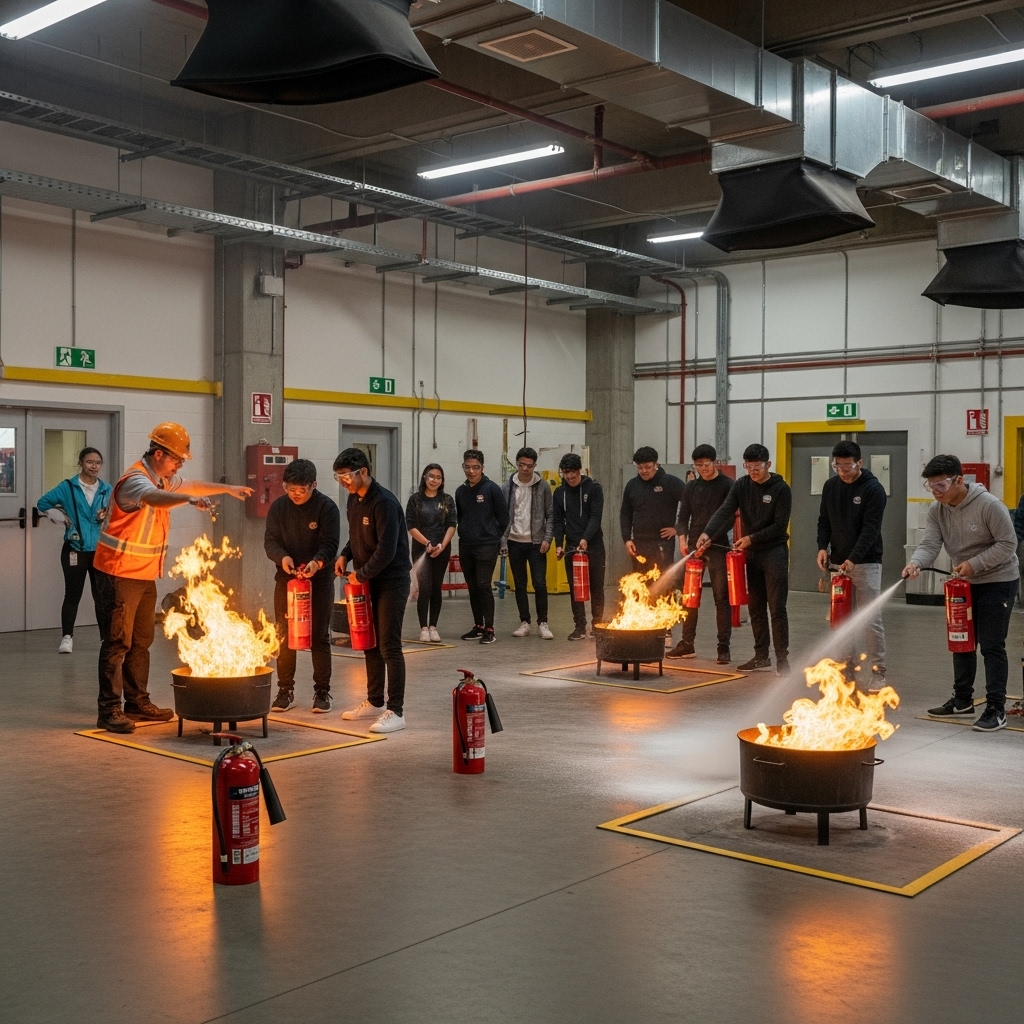
Train in CPR, fire safety, evacuation protocols, and first aid; prepare confidently for handling emergencies.
Industrial Safety and Compliance Course
Covers safety standards for factories, construction, and manufacturing; understands compliance, reporting, and legal requirements thoroughly.
Advanced Safety Officer Training
Specialized training for safety managers and coordinators covers audits, inspections, and emergency planning for large operations.
Who Should Enroll in Health Safety Courses?
Our health safety courses are ideal for:
- Employees and managers seeking to improve workplace safety.
- Professionals preparing for compliance and risk management roles.
- Safety officers, supervisors, and team leaders in industries.
- Individuals in Peshawar, Islamabad, Lahore, Karachi, and across Pakistan.
No prior experience is required. Courses start from fundamentals and gradually cover advanced safety practices.
Course Duration and Learning Modes
- Short Courses: 1–3 months for basic safety training.
- Comprehensive Programs: 6–12 months covering advanced risk management and workplace audits.
- Learning Options: Online and in-person sessions available in Peshawar, Islamabad, Lahore, Karachi.
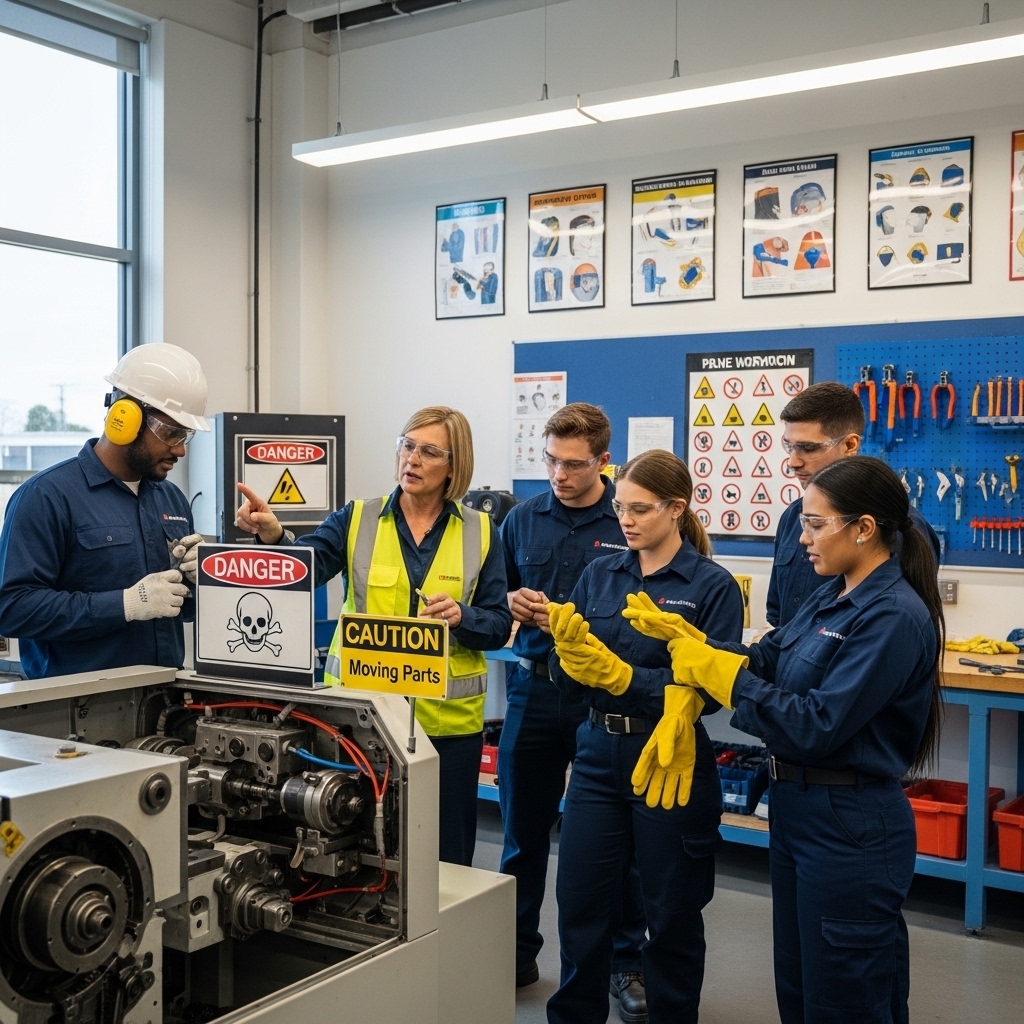
Why Choose Our Health Safety Courses?
Certified Safety Trainers:
Learn from experienced professionals with industry knowledge.
Practical Workshops:
Conduct real-life simulations and exercises for emergency preparedness.
Flexible Learning Options:
Online and in-person courses across major cities in Pakistan.
Recognized Certification:
Certificates respected by employers nationwide and internationally.
Benefits of Health Safety Courses
Gain hands-on experience with emergency response and risk assessment.
Improve career opportunities in corporate, industrial, and construction sectors.
Earn certifications recognized nationally and internationally.
Ensure compliance with safety regulations and prevent workplace accidents.
Flexible programs for students, working professionals, and career upgraders.

FAQs: Health Safety Courses
Q1: Do I need prior safety experience?
No, our courses start with basic safety knowledge and progress to advanced topics.
Q2: Can I take the course online?
Yes, we offer flexible online and in-person options nationwide.
Q3: Will I get a recognized certificate?
Yes, certificates are provided upon completion and are valid for employment in multiple sectors.
Q4: Are practical sessions included?
Absolutely. Simulations, drills, and workshops are part of the core curriculum.
Q5: What career opportunities are available after this course?
Graduates can work as safety officers, compliance managers, risk coordinators, or pursue further safety certifications.