Are Online First Aid Courses Legitimate? Here’s The Answer!
Introduction
Imagine witnessing someone collapse and realizing you don’t know how to help. It’s a frightening thought, right? That’s why many people look for ways to learn first aid quickly and conveniently.
In recent years, online first aid courses have become a popular choice for busy individuals. But the question remains — are online first aid courses legitimate? Can an online class truly prepare you to handle emergencies confidently?
This article explores how these courses work, what makes them credible, and whether they’re the right option for your learning goals.
Understanding Online First Aid Courses
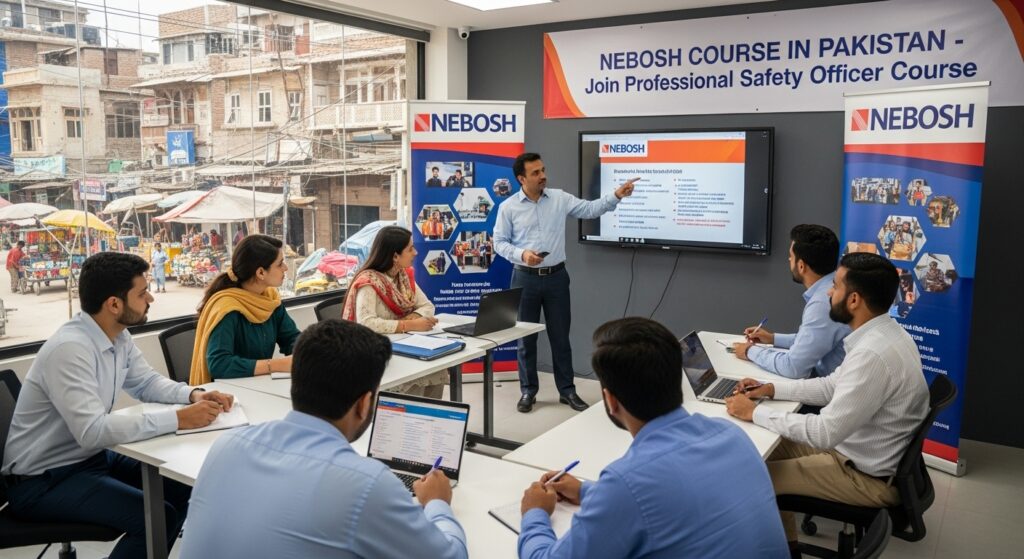
Online first aid courses make learning lifesaving skills more accessible than ever. They provide structured, digital lessons designed to teach essential emergency response techniques — all from the comfort of your home.
How Online Courses Work
These courses are typically delivered through interactive videos, digital manuals, and quizzes. Learners can progress at their own pace and review materials anytime.
Certification is often issued after completing assessments that test both theoretical knowledge and scenario-based understanding. This makes learning more flexible for individuals with busy lifestyles.
What You Can Learn Online
Online first aid programs usually include training in:
- CPR and choking response techniques
- Wound care and bleeding control
- Fracture and burn management
- Handling allergic reactions or shock
While practical skills require physical practice, online training still provides a solid theoretical foundation for handling emergencies effectively.
Are Online First Aid Courses Legitimate?
The legitimacy of online first aid courses depends on several key factors — such as accreditation, course content, and the involvement of certified instructors.
Accreditation and Course Standards
Legitimate courses are accredited by recognized health and safety organizations, ensuring the curriculum meets national or international standards.
Quality programs are designed by medical professionals, guaranteeing accuracy and relevance. Always confirm whether a course aligns with accepted first aid protocols before enrolling.
The Role of Practical Training
One major limitation of online training is the lack of hands-on experience. Physical practice is essential for mastering CPR and other manual techniques.
Some providers overcome this by offering hybrid learning, combining online theory with in-person workshops. This blended model delivers both convenience and confidence.
Benefits and Drawbacks of Online Learning
Online learning has transformed how people acquire essential skills, including first aid. However, like any learning method, it comes with both advantages and drawbacks.
Key Benefits of Online First Aid Courses
- Flexibility
Study anytime, anywhere, and at your own pace — perfect for those with busy schedules. - Accessibility
Ideal for individuals living in remote areas or those unable to attend in-person sessions. - Affordability
Online courses are often more cost-effective than traditional classroom programs. - Ideal for Refreshers
Great for revisiting theoretical knowledge and keeping your first aid skills up to date. - Self-Paced Learning
Learners can progress at their own speed and revisit lessons whenever needed.
Common Drawbacks of Online First Aid Courses
- Limited Hands-On Practice
Techniques like CPR or wound dressing require tactile experience that online lessons can’t fully replicate. - Lack of Real-Time Feedback
Instructors can’t immediately correct mistakes or provide physical demonstrations. - Varied Course Quality
Not all online programs meet proper safety or medical standards — research before enrolling is crucial. - Less Confidence in Real Emergencies
Without physical practice, learners may feel hesitant during actual emergencies. - Technology Dependence
Reliable internet and device access are required, which can be a challenge for some users.
Final Verdict — Are Online First Aid Courses Legitimate?
Yes, online first aid training is legitimate — but only when offered by reputable and accredited providers. It’s best viewed as part of a comprehensive learning plan that includes both theory and hands-on experience.
When They’re the Right Choice
Online courses are ideal for:
- Learning theory and essential emergency concepts
- Refreshing existing knowledge
- Understanding first aid basics at your own pace
They’re perfect for learners who value flexibility and convenience.
When You Need In-Person Training
Hands-on classes are essential for:
- Professional certifications
- Jobs requiring physical first aid skills
- Building confidence through real-life simulations
Face-to-face sessions allow you to practice safely under expert supervision.
Frequently Asked Questions (FAQs)
1. Are online first aid certifications accepted by employers?
Yes, many employers accept online certifications if they’re issued by accredited organizations that meet recognized safety standards.
2. How long does it take to complete an online first aid course?
Most online courses can be completed within a few hours to a couple of days, depending on the provider and your learning pace.
3. Can I perform CPR confidently after an online course?
Online training teaches the steps and theory, but hands-on practice is essential for mastering correct CPR technique.
4. Are online first aid courses suitable for healthcare professionals?
They’re excellent for theory refreshers, but healthcare professionals usually require in-person or blended training for certification.
5. How can I verify if an online course is legitimate?
Check for accreditation from reputable organizations (like the Red Cross or St. John Ambulance), read reviews, and verify instructor credentials.
Conclusion
So, are online first aid courses legitimate? — Absolutely!
When properly accredited, they offer valuable theoretical knowledge and essential emergency response skills.
They’re perfect for beginners or those looking to refresh their training. However, to gain complete confidence and real-world readiness, the best approach is to combine online learning with practical, in-person sessions.
Choose the option that fits your learning goals — and ensure you’re prepared to act when every second counts.