Protect Nature, Learn Sustainability Practices
Our Conservation Environment courses empower learners with knowledge and skills to safeguard natural ecosystems. Through practical training, students learn resource management, environmental monitoring, and sustainable development practices that prepare them for careers in ecology, wildlife conservation, and environmental consultancy.
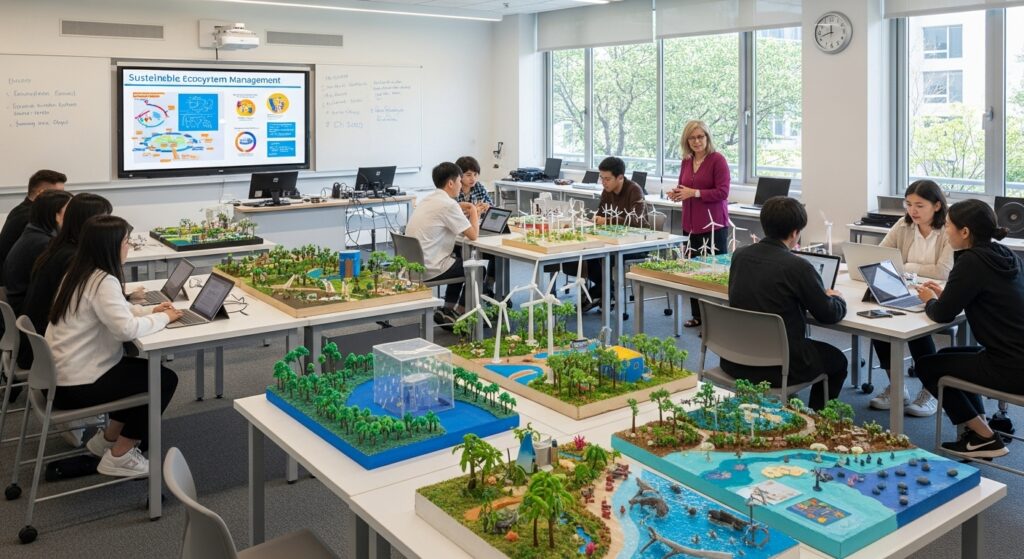
Available in Islamabad, Lahore, Karachi, and Peshawar, our programs combine theory, fieldwork, and hands-on workshops. Participants gain experience in ecosystem assessment, conservation planning, and environmental project management.

Key Topics Covered in Conservation Courses
Sustainable Ecosystem Management
Learn sustainable methods to balance human activities with natural resource protection effectively.
Biodiversity Conservation
Study endangered species, wildlife preservation, and habitat management strategies for ecological protection.
Environmental Policy and Laws
Understand environmental regulations and compliance standards, and conduct impact assessments responsibly.
Waste Management and Pollution Control
Explore techniques to minimize waste, reduce pollution, and protect ecosystems sustainably.
Project Management for Conservation
Develop planning, monitoring, and implementation skills for successful environmental projects.
Who Can Enroll?
- Students aiming for careers in ecology, environmental science, or conservation.
- Professionals seeking skill enhancement in sustainability and resource management.
- NGOs, government workers, and corporate professionals interested in environmental compliance and green practices.
- Anyone passionate about nature preservation and eco-friendly practices.
Career Opportunities After Conservation Courses
- Environmental Consultant or Advisor
- Wildlife & Ecosystem Specialist
- Sustainability Analyst
- Forest & Natural Resource Officer
- Environmental Researcher
- Conservation Project Manager
- NGO Field Officer

Why Choose Our Conservation Environment Courses?
Expert Instruction:
Learn from certified environmental scientists and conservation specialists.
Field-Based Learning:
Participate in surveys, ecological studies, and on-site conservation projects.
Comprehensive Curriculum:
Covers biodiversity, natural resource management, ecosystem restoration, and environmental laws.
Flexible Learning:
Options for online, weekend, and in-person classes in major cities across Pakistan.
Benefits of Learning Conservation Environment Courses
- Acquire knowledge for sustainable natural resource management.
- Gain hands-on experience through fieldwork and workshops.
- Increase employability with recognized certificates.
- Learn environmental laws, policies, and compliance strategies.
- Prepare for roles in NGOs, conservation projects, government, or research institutions.
- Build expertise in ecology, biodiversity, and habitat management.
- Network with experts, peers, and professionals in the environmental sector.

FAQs About Conservation Environment Courses
Q1: Are the courses suitable for beginners?
Yes, the programs start with fundamental concepts and progress to advanced conservation techniques.
Q2: Can I attend online classes?
Absolutely, we provide hybrid learning options for flexibility.
Q3: Will I receive a recognized certification?
Yes, certificates are acknowledged locally and internationally.
Q4: How long is the course?
Programs range from 3 months (short courses) to 12 months (advanced courses).
Q5: Are field visits included in the course?
Yes, practical fieldwork and hands-on projects are a key part of learning.